How to Protect Employees When Temperatures Rise: A Practical Guide to Heat Safety
When the mercury rises, protecting your employees isn’t just good business, it’s a responsibility that can’t be ignored. Across the country, record-breaking heatwaves are becoming more frequent, and employers everywhere are searching for ways to keep their teams safe. Sure, most of us know the basics: water, rest, and shade. However, as hot days become the new normal, it’s time to up our game when it comes to heat safety.
Let’s dig into some NIOSH recommendations any employer can take to create a safer, healthier workplace, because when it comes to heat, small adjustments can make all the difference.
Plan Ahead and Assess Heat Risks
Heat safety begins before the workday even starts. The smartest employers have a written heat safety or heat illness prevention plan in place. This isn’t just paperwork, it’s the foundation for everyone to know what to expect, what to watch for, and how to respond if heat becomes a problem.
Start by looking at your day-to-day work and asking a few simple questions:
- Which tasks are the most physically demanding and could put extra strain on workers in the heat?
- Where are the “hot spots” on the job, areas with poor airflow or where heat tends to build up?
- When is it hottest during the day (usually midday through late afternoon)?
Once you have a clear picture, stay tuned in to the conditions. Keep an eye on the temperature, humidity, and heat index as the day goes on. Things can change pretty fast, and by staying aware you can step in early, before anyone starts to overheat.
💧 Offer Cool Water and Encourage Hydration
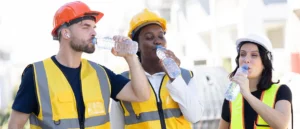
Make it easy for your team to grab a drink. According to OSHA, it’s one of the simplest ways to help protect them in the heat. Keep cool, clean water close by so it’s always within reach, and give people a quick reminder to sip regularly, not just when they feel thirsty.
Employers should:
- Provide plenty of cool water near work areas, not just in the breakroom
- Encourage workers to drink water frequently, even before they feel thirsty
- Remind teams to avoid sugary, caffeinated, or alcoholic beverages, which can increase dehydration
Consider setting up hydration stations and posting reminders about the importance of drinking water throughout the day.
When it’s hot out, even something as simple as a cup of water can make a big difference.
Adjust Schedules and Workloads
One of the easiest ways to lower risk? Think about adjusting when and how the work gets done.
- Do the most strenuous work during early morning or later in the evening. As these are the coolest parts of the day
- Rotate people so they’re not stuck doing the hottest jobs all day
- Reduce physically demanding work when temperatures really start to climb
These small changes can make a big difference.
Improve the Work Environment
Sometimes it’s the little things that make the biggest difference. A few adjustments can go a long way.
Here are a few:
- Add fans, improve ventilation, or bring in portable AC to keep the air moving and cool things down
- Set up shaded areas or cooling tents so employees have a place to step away and recharge
- Use barriers or reflective materials to cut down on heat coming off equipment or hot surfaces
Based on guidance from Three Sixty Safety, these kinds of changes can take the edge off the heat and make the space a lot more comfortable to work in. And having a cool place to step away for a few minutes can make all the difference. It gives the body a chance to cool down and recover before heat builds up too much.
And honestly, something as simple as having a cool place to step away for a few minutes can make a huge difference, it gives the body a chance to recover and helps prevent heat from building up too much.
Train Workers and Supervisors
Knowledge is protection.
Workers need to know:
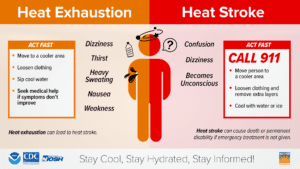
- The signs and symptoms of heat illness, such as dizziness, nausea, headache
- How to respond if they notice symptoms in someone else
- Why hydration is important and why early reporting is critical
Supervisors have an important role, they need to recognize warning signs and take immediate action.
When the whole team is aware, serious incidents are much less likely.
Use a Buddy System
Heat illness can come on quickly. Pairing workers together creates an automatic safety net. Buddies can:
- Watch for signs of heat stress in each other
- Check in regularly
- Speak up immediately if something doesn’t feel right
Sometimes it’s easier to see trouble in someone else than in yourself. This simple system can make all the difference.
Support Acclimatization
The body needs time to adjust to working in the heat, especially for new hires or anyone returning after a break.
Help them acclimatize by:
- Gradually increasing workloads
- Offering extra breaks during the first few days
- Closely monitoring anyone still getting used to the heat
A little patience up front can prevent big problems down the road.
Strengthen Communication and Emergency Response
Clear communication saves lives when temperatures soar.
Make sure workers can:
- Quickly reach a supervisor
- Call for medical help if needed
- Get clear, simple instructions during any emergency
Have a plan that spells out who does what, and how fast help can arrive, if someone shows signs of heat illness. Quick, organized responses lead to better outcomes.
Monitor Conditions and Take Real-Time Action
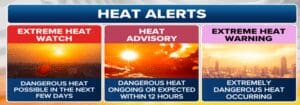
Heat isn’t static, it changes hour by hour.
Employers should:
- Track weather and heat index updates throughout the workday
- Use a heat alert or flag system
- Increase protections as conditions worsen (think more breaks, lighter workloads, or extra shade)
The key is to respond immediately, not after someone is already in trouble.
Reduce Physical Strain
Physical work makes the body heat up fast. To lower the risk:
- Use tools and equipment that reduce manual effort
- Increase staffing for demanding jobs so no one is overloaded
- Limit how long employees do high-intensity work in the heat
These strategies help prevent overheating and keep everyone safer.
Continuously Evaluate and Improve
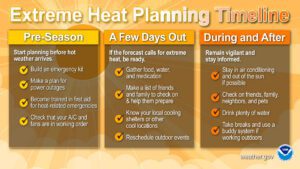
Heat safety is never a “set it and forget it” deal.
Make it routine to:
- Conduct regular heat hazard assessments
- Review any incidents or near-misses
- Update your safety plan as conditions, seasons, or job demands evolve
Learning from experience, both what works and what doesn’t, builds a stronger safety culture over time.
The Bigger Picture
Heat is a growing challenge. Whether you’re in construction, agriculture, warehousing, kitchens, or any other field, the basics, water, rest, shade, are always your first defense. But real safety comes from going beyond: planning ahead, training your team, and adjusting how work gets done.
Heat Safety – One Last Thing
When it comes to heat, “toughing it out” is not a badge of honor, it’s a risk.
Smart employers know that protecting their teams isn’t about slowing down. In fact, it’s the best way to keep people safe, productive, and performing at their best.
Because at the end of the day, employee safety isn’t just about compliance, it’s about doing the right thing, every single time the temperature rises.
Contact us for additional information on keeping your workers safe, healthy, and supported!
