Protecting Our Healthcare Professionals: Why It Matters More Than Ever
Protecting Our Healthcare Professionals
When you’re feeling sick or nursing an injury, healthcare workers swoop in like superheroes. Stepping in with compassion, resilience, and expert care, we rely on them during our most trying times. Yet, have you ever stopped to think about the strain their jobs place on them, both physically and emotionally? The truth is, it’s a heavy burden, and we can no longer ignore it. To help protect our healthcare professionals, let’s revisit a discussion that’s been ongoing since 2009 and is still critically important in 2026.
These struggles affect tens of thousands of individuals in healthcare annually, and yet safe patient handling still isn’t given the priority it deserves.
Ergonomic Risks: The Hidden Hazard in Healthcare
Despite a general decline in workplace injuries across various sectors over the past decade, healthcare has not followed suit. According to the U.S. Bureau of Labor Statistics, injury and illness rates in healthcare professionals outpace construction and manufacturing combined. That’s a striking statistic given the reputation of those physically demanding fields. Consider this: nearly half of all nurses suffer back injuries yearly. Those numbers don’t just appear out of thin air. Nurses and other healthcare professionals regularly lift and/or move patients, which requires them to stand or bend for long periods. They also repeat movements that can stress their wrists, shoulders, and backs.
Combine that with poorly designed equipment or cramped spaces, and you have a recipe for chronic pain and injury. Imagine lifting the equivalent of nearly two tons of weight in a single eight-hour shift. That’s the load one nurse might carry daily, according to Lynda Enos, a nurse and ergonomics expert. That’s like moving a mid-sized SUV packed with hefty passengers, every single day. Now, multiply the care complexity as patients face greater health challenges and higher average weights than years ago, and you realize why the risk grows instead of shrinking.
Beyond the Physical: The Emotional Cost of Ergonomic Injuries
It’s not just aching backs and sore joints. Chronic pain can sap enthusiasm, cause fatigue, and chip away at job satisfaction, all while impacting the quality of care provided. There’s also a domino effect: injured workers take time off, leaving colleagues shorthanded and exposed to even more physical demands. Yet somehow, many healthcare professionals come to expect pain as just “part of the job.” This acceptance is dangerous. It masks the urgency to push for safer handling equipment, better workplace designs, and programs that protect these frontline warriors.
Unfortunately, inconsistent adoption of Safe Patient Handling (SPH) programs leaves many workers exposed. Despite clear recommendations from organizations like NIOSH (National Institute for Occupational Safety and Health), many facilities remain slow to fully invest in mechanical lifts or sufficient training. When healthcare organizations neglect these safety measures, the consequences aren’t just felt by workers, they can also come with hefty fines. A retirement facility in Wenatchee, Washington learned this lesson in 2015 when they were slapped with a six-figure penalty for repeated safety violations. Protecting healthcare staff isn’t optional.
What Are the Biggest Ergonomic Risks?
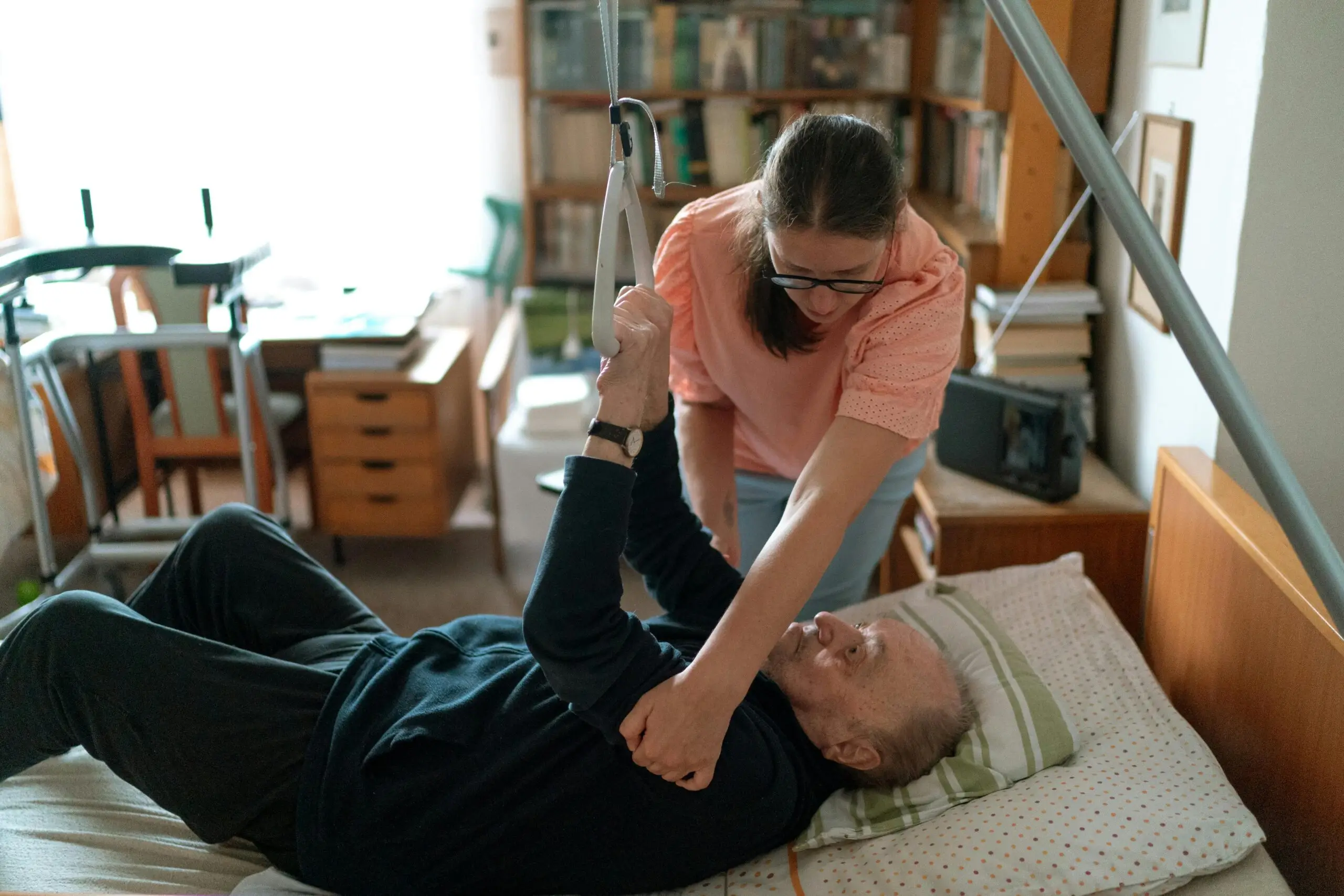
- Manual Patient Handling: #1 cause of musculoskeletal injuries; involves lifting, repositioning, and transferring patients
- Prolonged standing and walking: Takes a toll on legs and feet, especially during long shifts on unforgiving floors
- Repetitive tasks: Frequent charting or preparing medications, put added strain on tendons and joints
- Poor posture and awkward positions: Bending, twisting, or reaching in cramped areas, lead to muscle fatigue
- Environmental factors: Including cramped spaces, dim lighting, slippery floors, and equipment that’s anything but ergonomic, also up the ante
The Positive Side? There Are Real, Actionable Solutions.
Hospitals and clinics that prioritize ergonomic solutions find advantages that extend beyond just keeping employees safe; patient care also improves. Here are some of the most impactful approaches:
- Assistive devices: Mechanical lifts and transfer aids significantly reduce the number of injuries caused by manual handling
- Ergonomic training: Employees better understand how to move their bodies correctly and handle objects safely. This knowledge is key to protecting our healthcare professionals in the long run.
- Workplace Design: Consider modifications to desk heights, lighting, and the overall layout, as it could foster a more supportive environment.
- Incorporating scheduled breaks and job rotation: Switching up physical activities can significantly reduce both fatigue and the likelihood of repetitive strain injuries.
Fostering a Safety Culture
Individual healthcare workers can contribute by focusing on core strength, practicing proper posture and lifting techniques, and actively championing safer work environments. Employers should encourage open dialogue about pain and workload, allowing them to intervene early in protecting our healthcare professionals. Additionally, robust Safe Patient Handling initiatives have demonstrated a capacity to substantially reduce injury rates, lower associated expenses, and foster greater job satisfaction and well-being among healthcare professionals.
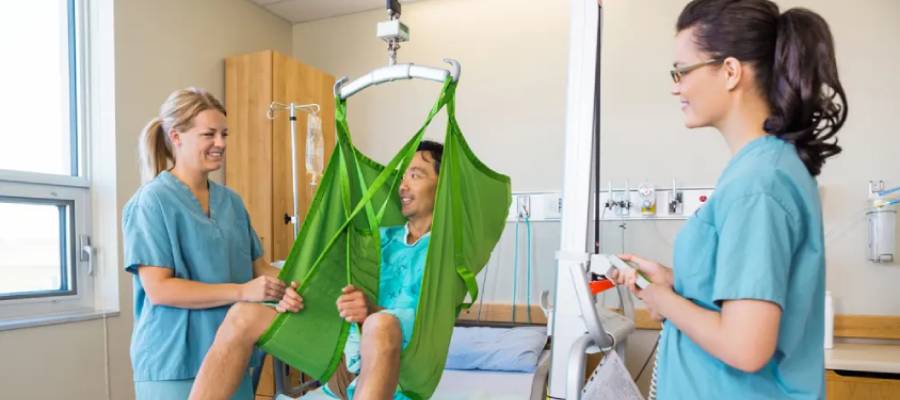
Although the initial financial outlays for necessary equipment and training may appear substantial, the benefits frequently become evident within a relatively short timeframe, thereby positioning such programs as both an ethical imperative and a financially sound decision.
The safeguarding of our care providers constitutes a shared obligation. Ultimately, the protection of healthcare workers transcends mere regulatory compliance or a budgetary allocation. It’s about honoring the people, the human element, and putting resources into a healthcare system that relies on these committed individuals. Protecting their physical health, hands, backs, and overall well-being benefits everyone, from the caregivers themselves to the many patients they care for daily.
Let’s keep the dialogue going, keep advocating for strong safe patient handling programs, and support workplaces where healthcare workers don’t have to jeopardize their health to do their jobs. Their resilience is, ultimately, our own.
Contact us to find out how we can help improve the safety of your healthcare workers and the patients that they care for daily.
