Stress, Musculoskeletal Pain, Depression, Addiction, and Suicide: An Overlooked Connection
Missed Opportunity for Prevention
When we talk about depression, drug addiction, and suicide in the United States, we usually focus on mental health care. We talk about therapy, medication, and crisis lines. Those tools are important. But they are not the whole story.
There is another major factor that connects all three problems: musculoskeletal pain.
Yes, there is a connection. And once you see it, it becomes hard to ignore.
Stress Often Shows Up in the Body First
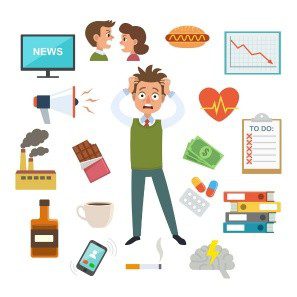
Occupational & Physical therapists learn early in their training that stress causes muscle tension. When stress lasts a long time, muscles stay tight. That tension reduces blood flow and movement, affects sleep, and can turn into pain.
And pain increases stress. Over time, this becomes a chronic cycle. It doesn’t go away on its own.
This is very common in high stress jobs. Construction, manufacturing, health care, and transportation all place heavy physical and mental demands on workers. Stress and pain often build up together and then feed each other.
A Workforce Example We Missed

In a December 2020 article in Construction Executive about rising suicide rates in the construction industry, the author made several important points:
- Most construction workers are men, a group at higher suicide risk
- Job insecurity creates constant stress
- Repetitive physical work can lead to injury and chronic pain
- Some workers turn to drugs or alcohol to cope
The article clearly listed injuries and chronic pain as risk factors for suicide.
But then something surprising happened.
The proposed solutions focused only on mental health programs. Injury prevention and pain treatment were not mentioned as part of the answer.
This happens a lot. We name injuries or pain as a cause, but we don’t turn it into a prevention strategy.
Pain Makes Life Smaller, and That Affects Mood
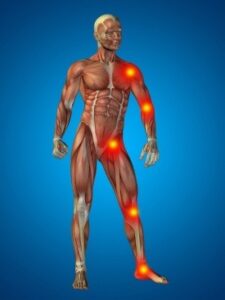
The link between musculoskeletal pain and depression should not be shocking.
Think about a bad sprain. You stop exercising. You move less. Simple tasks feel harder. You may miss work or social events. Sleep suffers.
Even a minor injury can affect your mood. Now imagine pain that lasts months or years.
Medical research has shown for decades that chronic musculoskeletal pain leads to emotional distress. So, pain affects mood. Mood affects pain. They feed each other.
Workplace studies show the same pattern. Workers who miss time due to musculoskeletal injuries are more likely to develop depression, especially if they are out for long periods.
Pain does not just hurt the body. It changes daily life.
Pain Often Leads to Pills
When pain lasts, many people seek medical help. But too often, the first response is medication or “self-medication”.
An NIH‑funded national survey published in The Journal of Pain showed that people with new musculoskeletal pain are still prescribed opioids more often than physical therapy, education, or other non‑drug treatments.
This happens even though guidelines recommend non‑drug care first.

- Non‑opioid medications: 40.2%
- Opioids: 21.5%
- Counseling: 15.2%
- Other non‑pharmacologic approaches: 14.3%
- Physical therapy: only 10%
The risk is well known. Longer opioid use and higher doses increase the chance of addiction. But unmanaged pain also increases substance use. People self‑medicate when they feel stuck.
Pain and addiction are closely linked.
Chronic Pain Raises Suicide Risk
Long-term pain is one of the strongest risk factors for suicidal thoughts and behavior.
“Chronic musculoskeletal pain, by its very nature, will be associated with negative emotions and psychological distress… pain affects mood and vice versa.” – Crofford, 2015, Best Practice & Research: Clinical Rheumatology
According to The Journal of Pain and Frontiers in Psychology studies show higher suicide risk in people with long‑term pain, even when other factors are considered. The risk is not tied only to pain level. It is tied to what pain takes away.

Loss of function
Loss of work
Loss of identity
Loss of hope
Many people suffering from chronic pain feel defeated. They feel trapped in a body that no longer works the way it used to.
Yet pain management is rarely part of suicide‑prevention plans.
Why Musculoskeletal Pain Gets Ignored
Musculoskeletal pain is so common that it can be perceived as a “normal” part of work or life. It doesn’t show up on scans. It doesn’t always look serious from the outside.
But, according to the World Health Organization (WHO), musculoskeletal disorders affect over a billion people globally. AND musculoskeletal pain is the leading cause of disability worldwide. Low back pain alone limits more lives than almost any other health condition.
Still, pain prevention and early treatment get little attention compared to their impact.
Treating Pain Helps Mental Health Too
The good news is simple: what helps pain often helps mental health.
Ergonomic improvements, exercise‑based physical therapy, education about pain, and gradual return to activity can reduce pain, improve mood, and restore confidence. These approaches also lower reliance on opioids.
Treating pain does not replace mental health care. It supports it.
When people move better, sleep better, and function better, they often feel better too.
A Missed Opportunity We Can No Longer Afford
If we want to reduce depression, addiction, and suicide, we cannot keep ignoring musculoskeletal pain.
Stress leads to pain.
Pain leads to depression.
Pain and depression increase addiction.
Addiction and chronic musculoskeletal pain increase suicide risk.
Addressing musculoskeletal pain earlier and better will not solve every problem. But it will prevent more suffering than we often realize.
Sometimes the solution is not new or complex.
Sometimes it is the one we have been overlooking all along.
Contact us to #StopMSKHurtAtWork
