Eye Protection in the Workplace: Preventing Preventable Injuries
Every year, hundreds of thousands of workers across the United States go to work expecting a normal day and leave with an eye injury. Some are minor, but others can permanently change a person’s vision, their quality of life, and even their ability to earn a living.
According to the Centers for Disease Control and Prevention (CDC), every day approximately 2,000 U.S. workers experience a job‑related eye injury that requires medical treatment.
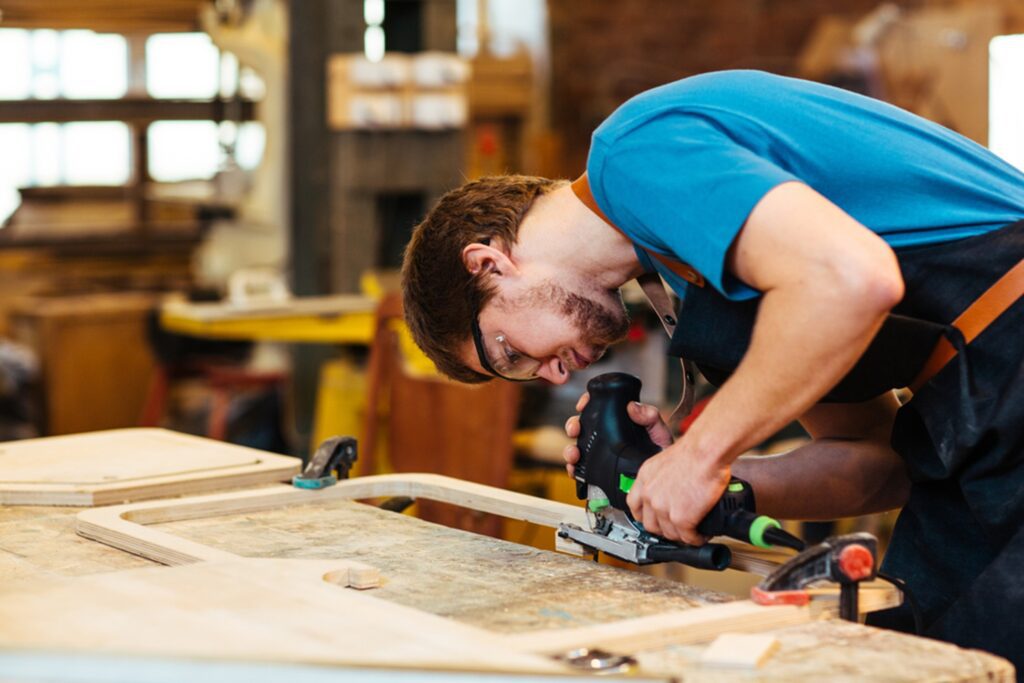
About one‑third of these injuries result in emergency department visits, and more than 100 lead to one or more lost workdays daily. That’s more than 730,000 eye injuries in the workplace in one year, including 36,000 that cause workers to lose time on the job.
Additional Resources – Occupational Safety and Health Administration – Eye and Face Protection
Yet these numbers represent real people, families, and teams who are affected by pain, disruption, and uncertainty. The ripple effects are also real for employers in the form of medical costs, workers’ compensation claims, lost productivity, and declines in morale that can impact an entire organization. The most frustrating part? Roughly 90% of these injuries are preventable.
So why do they keep happening?
Why Workers Don’t Always Wear Eye Protection
- Comfort and Fit Issues
One of the most common reasons employees avoid wearing eye protection is discomfort. When safety glasses are purchased in bulk and issued as a one‑size‑fits‑all solution, many workers struggle with poor fit. Faces vary widely in size, shape, nose bridges, and ear height. When eyewear pinches, slides, or causes pressure points, compliance naturally drops.
Comfort is important. Not only physically but mentally as well. If protective eyewear is a burden, then workers are less apt to wear it consistently.
- “Not Required for My Job”
Perception is another common obstacle. Some employees genuinely believe eye protection is not required for the job they do. This is often the case with two groups of people: younger workers who have not yet experienced or seen serious injuries happen, and veteran workers who have been doing the same job for decades without any issues. Both groups may carry an “it won’t happen to me” attitude. Unfortunately, accidents are rarely predictable, and experience alone does not reduce risk.
- Appearance
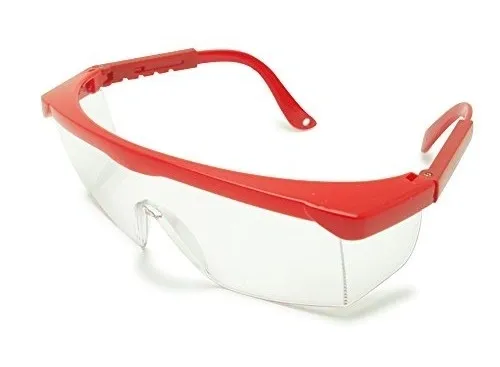
Safety is always the first concern, but individual appearance can affect behavior. Some people hesitate to wear protective eyewear if it feels bulky or doesn’t look good. Many safety glasses are now designed to look like sunglasses and come in a range of colors and styles. That way, they’re easier to wear, without giving up protection.
- Vague or Inconsistent Expectations
When expectations aren’t clearly communicated or reinforced, people are less likely to consistently wear eye protection. Workers are less likely to follow regulations if not reinforced by management and coworkers, or if not fully understood. Failure to wear protective eyewear can lead to an “out of sight, out of mind” situation as well. Clear expectations, visibility, and accessibility make safe behavior normal.
How to Prevent Workplace Eye Injuries
- Conduct Risk Assessments
Protecting workers’ eyes starts with understanding the risks. Employers should take time to look at each task and decide what type of eye protection will best keep people safe. Equally important, employees should be involved in this process. When workers help select their equipment, they are more likely to wear it.
- Provide Options
Offering a range of sizes, styles, and features helps people stay comfortable and makes them more likely to wear the protection consistently.
- Set and Reinforce Clear Standards
Standards only work when they are clearly communicated and consistently applied. Employers should also assess when and where eye protection is needed and reinforce expectations at all levels.

- Designate Safety “Champions”
Peer leaders can help reinforce positive behavior and provide day‑to‑day reminders. Visual cues such as posters and signage in work areas also keep safety top of mind. Some organizations find value in programs that allow employees to report non‑compliance safely and without retaliation, reinforcing that eye safety is taken seriously.
- Describe the “WIFM” (What’s In It for Me)
Training is critical. Workers need to understand not only the rules, but the reasons the rules are there. Explaining the injuries that can occur from specific tasks, and how eye protection can reduce those risks, helps make safety personal.
Real stories, videos, and first-hand accounts from injured workers can be powerful learning tools, if shared thoughtfully. The goal isn’t to scare people, but to build awareness, and help employees understand the real, long-term impact of injuries that could have been prevented.
A Shared Responsibility
Everyone has a role to play in reducing eye injuries. It’s a team effort involving leadership, supervisors, and every single employee. When eye protection is comfortable, easy to access, and backed by a strong safety culture, people are more likely to use it, and injuries are less likely to happen.
Protecting workers’ vision is more than eyesight. It’s about protecting livelihoods, reducing costs, and strengthening organizations all around. Working together we can make a real impact in reducing preventable eye injuries and keeping people and businesses healthy.
Contact us to help to reduce preventable eye injuries to keep your work force and your bottom line healthy!
