
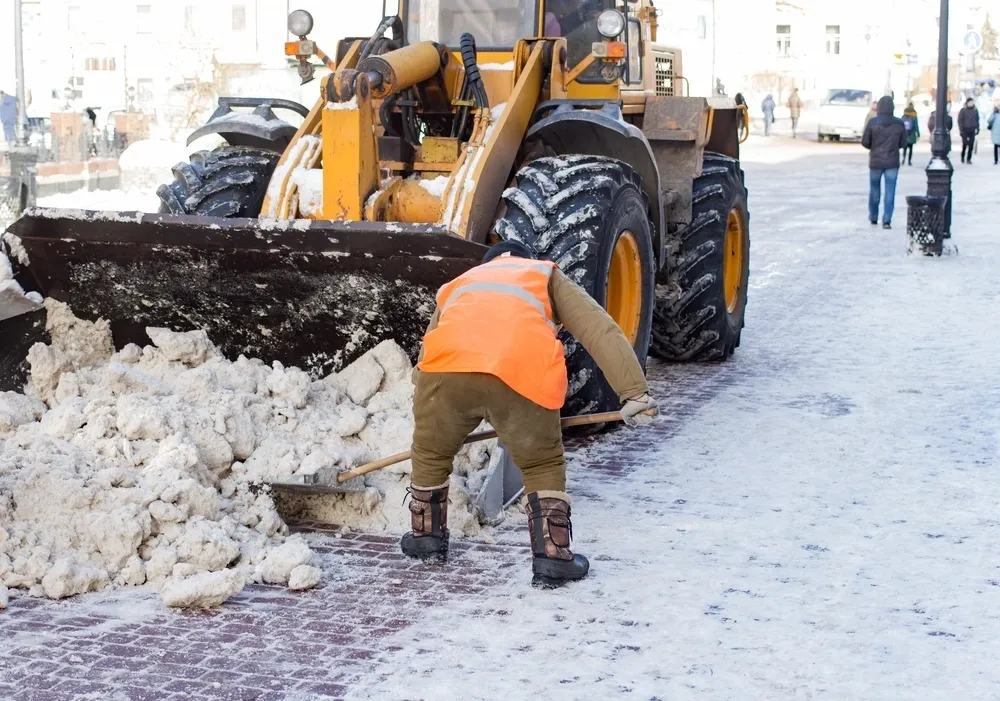
Protect Employees When Temperatures Drop
By Deborah Read
The lower average temperatures of the winter season create health-related safety risks for employees that primarily work outside, such as hypothermia, dehydration, frost bite, slip/fall.
Human physical & cognitive capacities are reduced during cold temps as well as hot temps. We have a narrow temperature range of 68° – 72° that is optimal to perform our best and our safest work. These reduced capacities include:
- Poor fine motor control
- Decreased coordination
- Increased confusion
- Increased distractions
- Increased errors
- Shallow breathing
- Faster fatigue due to spending more energy just to try to stay warm
Although there are currently no federal regulations requiring employers to take specific precautions due to cold weather, employers do have a legal obligation to maintain a workplace free from hazards.
“You should do an assessment of the workplace when the hazards change,” said Travis Vance, Regional Managing Partner of Fisher Phillip’s Charlotte office and a key member of the Workplace Safety Team. Assess if the policies and PPE are appropriate not only for the season, but also for the specific weather forecast.
You may even need to make a day-specific work plan based on that day’s weather forecast.
How To Keep Safe in the Cold
The Occupational Safety and Health Administration (OSHA) recommends employers:
- Assess if the policies and PPE are appropriate not only for the season, but also for the specific weather forecast
- Modify the work schedule and the workload goals. Delay the start of the shift to avoid the early morning coldest temps. Reduce the workload for the day or supply extra personnel to maintain good-weather capabilities physically and cognitively
- Provide repeated training about weather-related hazards due to the cold
- Urge employees to layer (3 layers) the proper clothing for cold, wet, and windy conditions; remember, cold-related risks happen faster when there is rain and/or wind.
- Cover the face and all skin. Insulate the hands and feet.
- Provide appropriate boot traction, wind/rain coats, balaclavas, hardhat beanies, hats/ear covers, appropriate gloves for the tasks
- Pair employees up and train them how to spot the signs of frostbite and hypothermia
- Encourage or require employees to take breaks in warm shelters. Supply heaters or emergency warming kits
- Provide sand, litter, and/or de-icer for every employee
Employers should also be mindful of the tangential issues that can crop up from the colder weather, like risks created by employees wearing additional clothing.
For example, an employee wearing thick winter gloves could get caught in a machine or have great difficulty lifting items off a pallet. Or, an employees’ goggles may fog up due to the change in temperature. Vance said managers should be trained to recognize the appropriate safety equipment required and ensure alternative personal protective equipment is available.
It’s the employer’s responsibility to have a line of communication with employees so they’re not just left literally “left out in the cold”.
Sources: Safeopedia webinar: Cold Stress Explained: Physiology, Prevention + PPE That Works
