Ergonomics Laws Come to Washington Warehouses: What You Need to Know
If you work in or manage a fulfillment center or warehouse in Washington State, there’s an important shift on the horizon that you’ll want to be prepared for. The Washington State Department of Labor & Industries (L&I) is rolling out new ergonomics laws designed to tackle the high rate of musculoskeletal injuries in this sector. These regulations promise to bring greater transparency, better worker protection, and practical changes to how jobs are designed. This legislation is aimed at making these demanding workplaces safer and healthier.
So, what exactly is changing? And what does it mean for workers and employers alike? Let’s dive into the key points and unpack how these laws could reshape warehouse work in Washington.
Breaking Down the New Ergonomics Legislation
Starting July 1, 2024, the Warehouse Quota Standards Act kicks in. This law targets large distribution centers and requires them to lay all their cards on the table: quotas must be clearly communicated in writing, break and restroom access must be respected, and workers can’t be disciplined for missing quotas they weren’t informed about. This might sound straightforward, but it’s a big deal for ergonomics because undisclosed quotas and pressure can push workers into risky postures or unsafe work speeds, increasing chances of injury.
And that’s not all. Thanks to Senate Bill 5217, L&I now has the authority to craft specific ergonomics standards for fulfillment centers and warehouses. These sectors have caught regulators’ eyes because musculoskeletal disorders happen there at ten times the statewide rate. The plan is for targeted, enforceable ergonomics rules to arrive sometime around 2027 or early 2028, with the Warehouse Quota Standards Act as a steppingstone.
Who’s Affected?
- Large facilities using automation and robotics
- Warehouses with 100 or more nonexempt employees at a single site in Washington, or
- Multiple warehouses with 1,000 or more nonexempt employees across the state
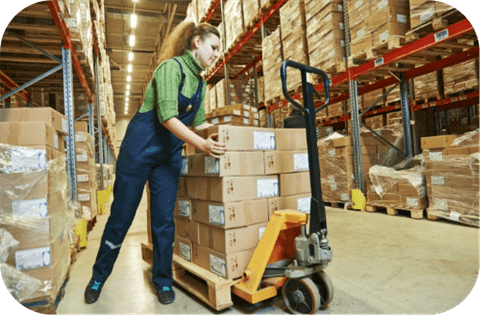
Common warehouse activities impacted include loading and unloading trailers, unpacking cases, and picking, packing, or sorting orders for shipping.
How Ergonomics Risks Play Out in Warehouses
Anyone familiar with warehouse work knows it demands repetitive motions, awkward postures, and often heavy lifting. Here are some of the big ergonomic hazards workers face every day:
- Repetition: Picking, packing, and sorting are highly repetitive, which strains muscles and joints.
- Awkward Postures: Reaching deep into bins or above shoulder height stresses shoulders and back.
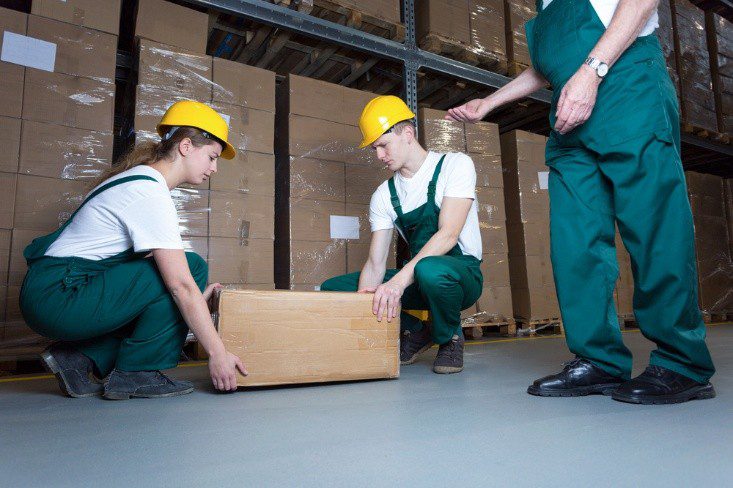
- Awkward Lifting: Regularly lifting from floors or high shelves can lead to sprains and strains.
- Static Loading: Holding the same posture for long periods at packing stations causes fatigue and discomfort.
What Employers Need to Do Now
As these ergonomics laws come to play, employers will need to take a serious and thoughtful approach to ergonomics. This includes:
- Ergonomic Risk Assessments: L&I recommends a tiered system starting with simple screening tools to spot high-risk tasks, then deep-dive evaluations on those specific hazards. For example, are hand forces too high during repetitive packing? Are lifting loads exceeding safe limits?
- Ergonomic Training: Teaching workers to recognize early symptoms of injury and adopt better body mechanics can prevent problems before they escalate.
- Implementing Controls: This means redesigning jobs to fit workers better, upgrading tools and equipment (think adjustable workstations and anti-fatigue mats), and tweaking processes to remove bottlenecks and reduce risky postures. After making changes, employers must prove those fixes actually lower injury risks.
- Transparency and Respect for Breaks: Companies need to clearly disclose quotas and must not penalize employees for taking authorized breaks or for using specialized assistive equipment.
If that sounds like a lot, it is. However, it is an opportunity to improve working conditions and reduce costly injuries. A win for workers and employers alike.
Looking Ahead
With these laws on the way, warehouses and fulfillment centers in Washington State are about to enter a new era of attention to worker health and ergonomics. It’s not just about compliance; it’s about creating safer, more sustainable workplaces where employees can thrive without risking injury day in and day out.
For everyone involved, from floor workers to management, now is the perfect time to get ahead of these changes. Whether you’re conducting risk assessments or planning training programs, the adjustments you make today will pay dividends down the line.
Stay tuned for more insights and practical tips on navigating the evolving landscape of workplace safety here in Washington. We’re in this together, building a community that values health as much as hard work.
